If you spend any time on social media, you’ve probably seen them – bears bouncing on trampolines, apes caught on doorbell cameras, or “rescued” wild animals acting in ways that seem too good to be true – and it is.
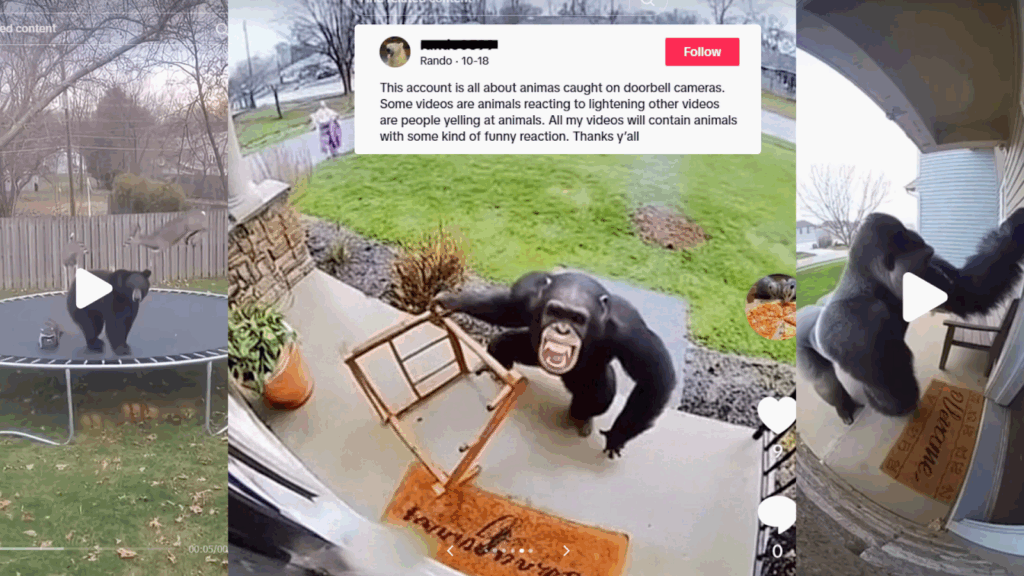
As artificial intelligence (AI) tools become more advanced and easier to use, AI-generated animal photos and videos are flooding our feeds and becoming increasingly harder to distinguish from reality.
For zoos, aquariums, and conservation organizations, this trend is more than a curiosity. When people can’t tell what’s real, it can blur their understanding of animal behavior, welfare, and conservation needs. It can also divert attention – and support – away from organizations doing the real work to protect wildlife.
Why AI Animal Content Is Exploding
In the last few years, powerful AI tools that generate images and videos have become available to anyone with an internet connection. Systems that can create photorealistic animals, imagined species, or “cute” interactions in seconds are now built into apps, photo editors, and social platforms.
That comes with pros and cons:
- Pro: AI art can be a creative tool, helping educators visualize extinct species, or imagine healthy habitats of the future.
- Con: AI can also be used to create misleading animal content – videos that look like real wildlife encounters but never actually happened.
Think about some of the clips you may have seen. These moments feel magical or surprising, but that’s the point: they’re designed to be eye-catching and unforgettable. When something feels “too good to be true,” there’s a good chance it is.
Sometimes, the intent is harmless entertainment. Other times, these videos are created to chase views, sell products, or build a following – and the line between fiction and reality disappears.
Why It Matters: More Than “Just for Fun”
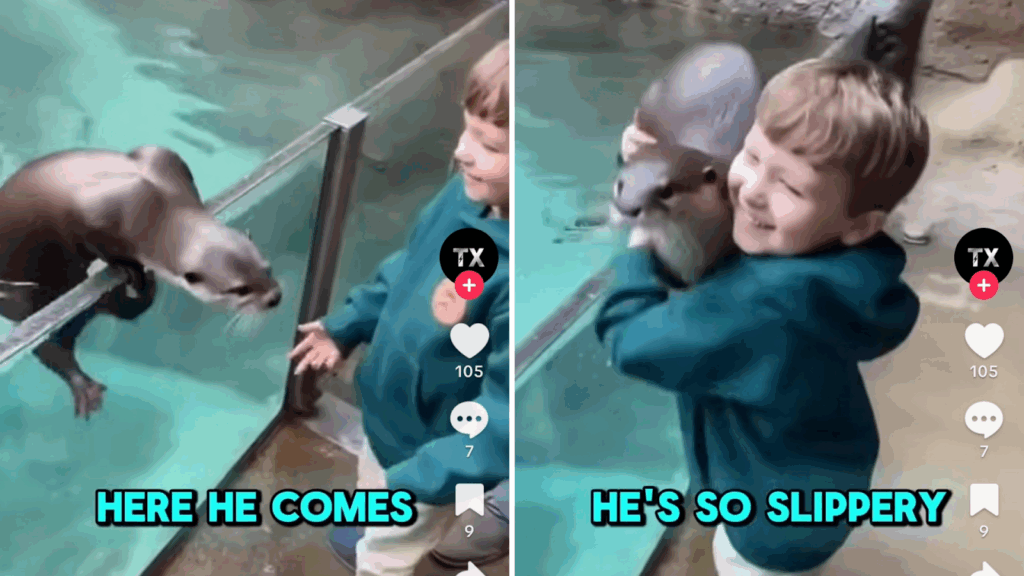
At first glance, fake animal videos can seem harmless. But they can cause real problems:
- Distorted expectations of animal behavior
AI videos and heavily edited clips can show animals doing things they would never do in a healthy, ethical setting, such as jumping into a person’s arms at a zoo, endangered species at your doorstep, or dancing on cue. This can create unrealistic and even dangerous expectations. - Confusion about what animals need to thrive
When you see wild animals acting like pets or performing human-like behaviors, it becomes easier to forget that they have complex needs that can’t be met in someone’s backyard. - Attention pulled away from real conservation stories
Every minute you spend watching and sharing AI videos is a minute you might have spent learning about endangered species, habitat protection, or real conservation projects that need your help. - Lower trust in authentic photos and videos
When people start to wonder if everything is fake, it can undermine trust – even in legitimate fieldwork photos, zoo updates, or scientific documentation.

How to Tell If an Animal Video Might Be AI-Generated
AI is getting better, but it still leaves clues! Here are some red flags to look for when you’re not sure if the content is real.
Read the caption and account info
Responsible organizations usually provide context:
- Species name
- Location – even if it’s general
- A short explanation of what’s happening in the video
Red flags include:
- No location, facility tag, or credit to a photographer, zoo, or organization
- No description beyond “OMG so cute!!!” or “You won’t believe this…”
- A username and bio that are vague, spammy, or focused only on viral animal clips with no educational mission
How to Stay on Top of AI Content
AI isn’t going away. Instead of trying to detect every single fake, you can build a healthier, more intentional way of engaging with animal content online.
1. Curate who you follow
Choose a “home base” of trusted accounts, such as:
- Accredited zoos and aquariums
- Conservation organizations and field researchers
- Educators and photographers who are transparent about how they create their images
2. Look for transparency and labeling
More creators and organizations are starting to label AI content clearly when they use it. While some parts of the world are mandating AI-generated content to be disclosed, not all creators follow this rule. Look for labels such as “AI-generated”, “Concept illustration”, “Sora”, and “altered or synthetic content”.
3. Ask questions
If you’re unsure whether a post is real, try politely commenting:
- “Is this AI-generated or a real animal?”
- “Where was this filmed?”
- “What organization is caring for this animal?”
A responsible account will either answer or clarify. Silence, deleted comments, or rude replies are signals that you may want to move on.
4. Balance your feed with real-world experiences
One of the best ways to stay grounded is to connect with animals in real life:
- Visit accredited zoos and aquariums.
- Attend keeper chats, behind-the-scenes tours, or conservation lectures.
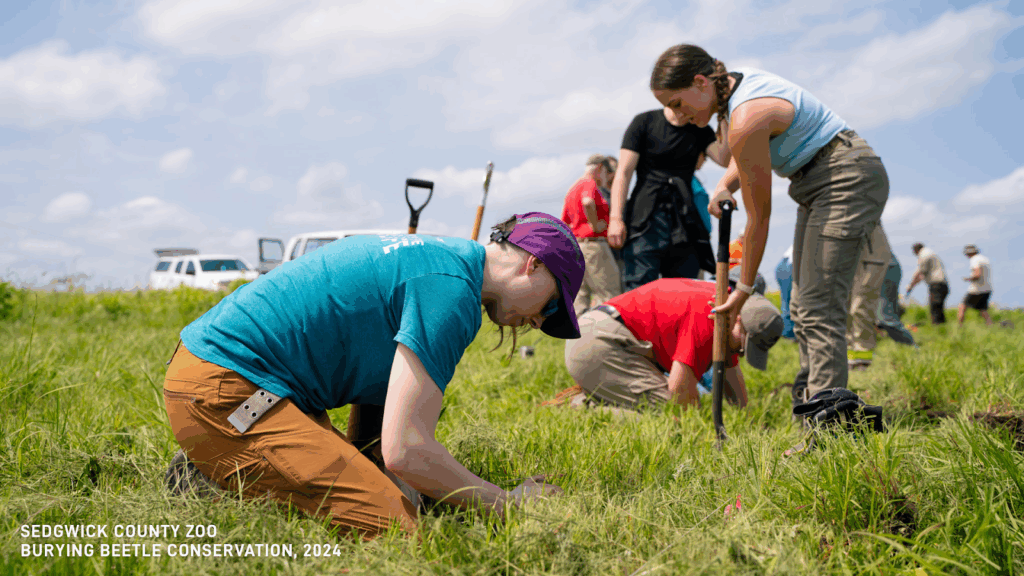
- Support local conservation projects and habitat restoration events.
When you’ve seen and learned about animals in person, it becomes easier to spot when something online doesn’t match reality.
How Your Engagement Can Support Real Conservation
Every like, share, comment, and follow is a form of digital “currency.” Here’s how to use it wisely:
- Follow organizations doing real work
When you follow zoos, aquariums, and conservation groups, you’re telling social media platforms that this content matters, and they’re more likely to show it to others. - Share educational posts and real stories
When you share content that talks about animal welfare, habitat loss, or conservation success stories, you help amplify messages that make a difference. - Engage thoughtfully
If you see harmful or misleading animal content, you can:- Avoid sharing or commenting – even criticizing can boost it in the algorithm.
- Report it if it violates platform policies.
- Choose to uplift accurate, ethical content instead.
The Takeaway
AI animal content is here to stay, but your values, curiosity, and choices still matter most.
If you remember just two things, let them be these:
- Follow trusted sources – Accredited zoos, aquariums, and conservation organizations work hard to share accurate and ethical content.
- Use your attention for good – Every click can help either fuel meaningless views or support real education and conservation.
Thank you for being the kind of animal lover who wants to know the difference.